Clove Oil
Syzygium aromaticum — The Clove Tree
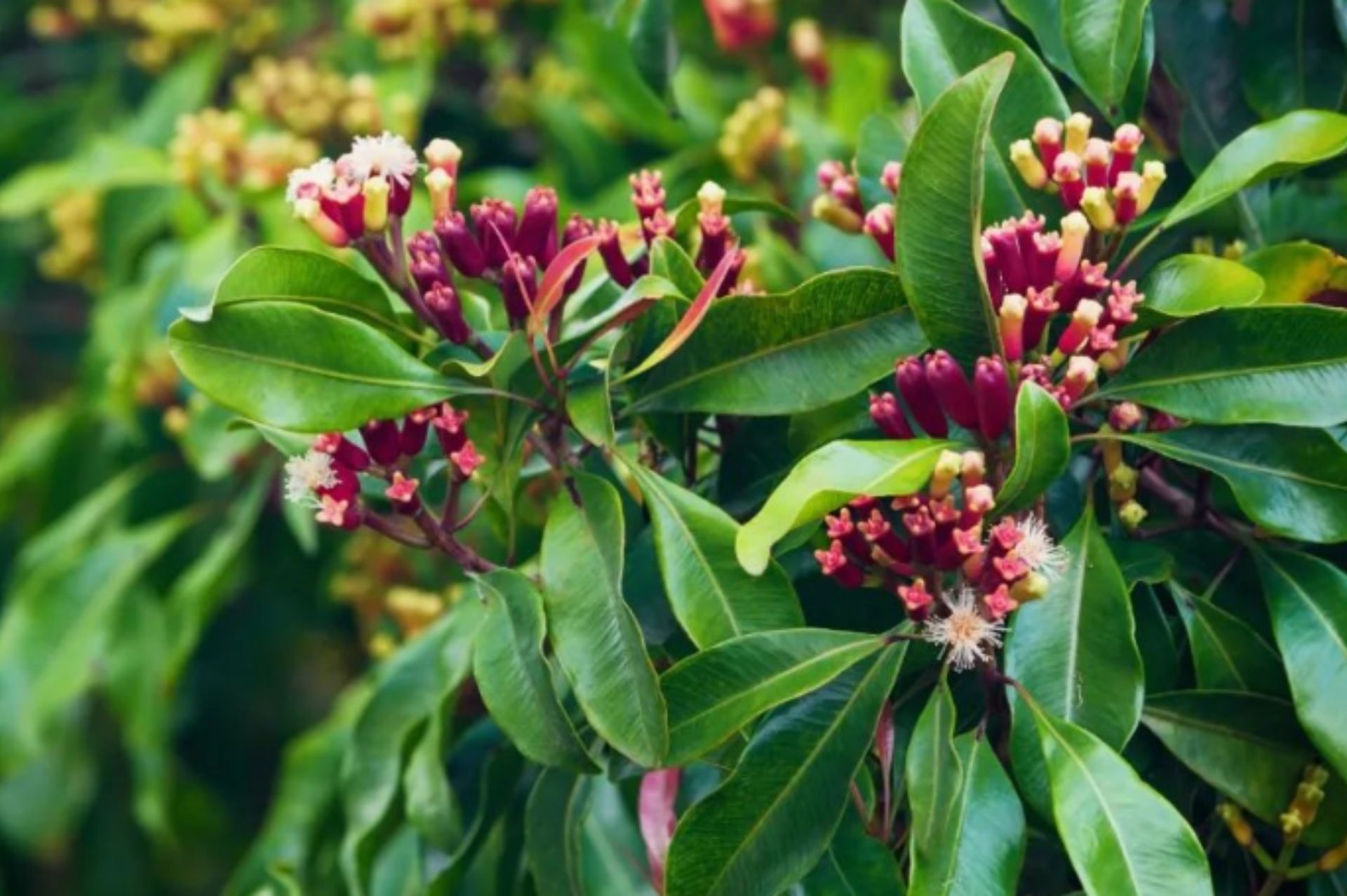
The clove tree (Syzygium aromaticum) is an evergreen tropical tree belonging to the family Myrtaceae, native to the Maluku Islands (Spice Islands), Indonesia. Its dried flower buds are widely known as the spice “clove,” while its essential oil—known as clove oil—has numerous applications in culinary, perfumery, health, and industry.
This article covers the origin, morphology, oil-producing parts, extraction process, chemical composition, benefits, and safety of clove oil.
Origin & History
Clove trees are indigenous to the Spice Islands of Indonesia.
Historically, cloves were one of the most valuable spices traded globally.
Today, they are also cultivated in other tropical regions such as Madagascar, Sri Lanka, and Zanzibar.
Morphology of the Plant
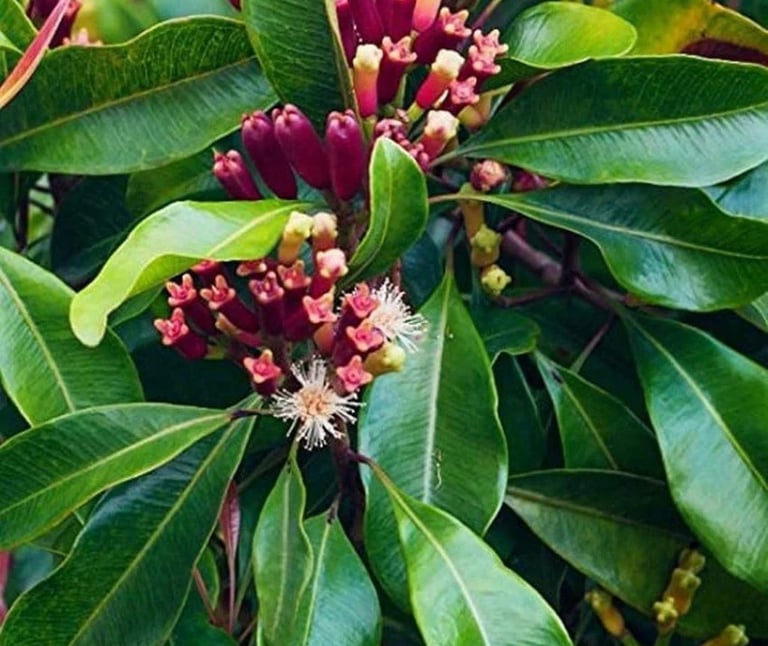
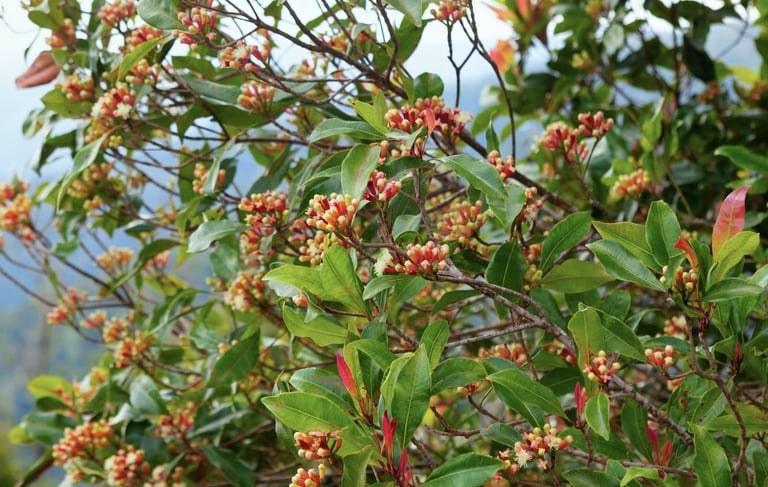
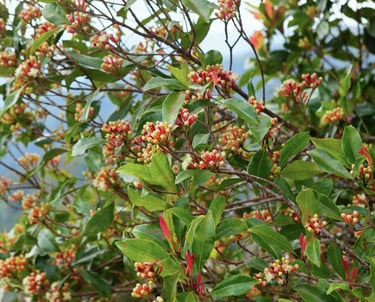
Tree and Leaves, The clove tree is a medium-sized evergreen that grows up to 8–12 m tall under ideal conditions. Its bark is smooth, and the leaves are opposite, glossy green, and aromatic when crushed.
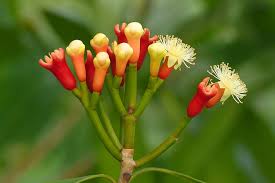
Flower Buds — The Source of Clove Oil, The unopened flower buds are the main source of essential oil. They start pale green, turn bright red when mature, and are harvested just before blooming. Inside the hypanthium region of the buds lie oil glands, where the essential oil is concentrated.
Oil-Producing Parts & Extraction Process
The parts that yield essential oil include:
Flower buds (highest quality oil)
Leaves and stems (secondary sources)
Harvesting occurs when buds turn red but before they open, maximizing oil content.
Extraction Process
Fresh buds are sun-dried to reduce moisture.
Steam distillation is the most common extraction method.
The result is Clove Essential Oil, rich in Eugenol (72–90%), the compound responsible for its aroma and therapeutic properties.
Chemical Composition & Bioactive Properties
Main constituents include:
Eugenol (primary compound)
β-Caryophyllene
Acetyl eugenol
Tannins and flavonoids
Clove oil exhibits antimicrobial, antioxidant, antifungal, and mild analgesic activities.
Uses and Applications
Culinary & Fragrance, used as a spice and flavoring agent in foods, beverages, and baked goods.
Health & Personal Care
Added to toothpastes, mouthwashes, and antiseptics due to its antimicrobial activity.
Traditionally used to relieve toothache, minor pain, and indigestion.
Industrial Applications, used in perfumes, soaps, cosmetics, and even wood preservation.
The clove tree is one of Indonesia’s most iconic spice plants, yielding an essential oil rich in eugenol with versatile uses across industries. Its aromatic buds are the heart of both ancient tradition and modern innovation, making clove oil a vital product in the world of natural extracts and essential oils.